Basics Are Good, Growth Mode Is Better
Why surviving on spiritual leftovers was never the plan
Let’s start with a confession: I love the basics.
Basic rice. Basic white tee. Basic Wi-Fi that just works. The basics are comfortable, predictable, and require zero effort. You know exactly where you stand.
But here is the thing about life, and especially about faith: basics are meant to be a foundation, not a destination.
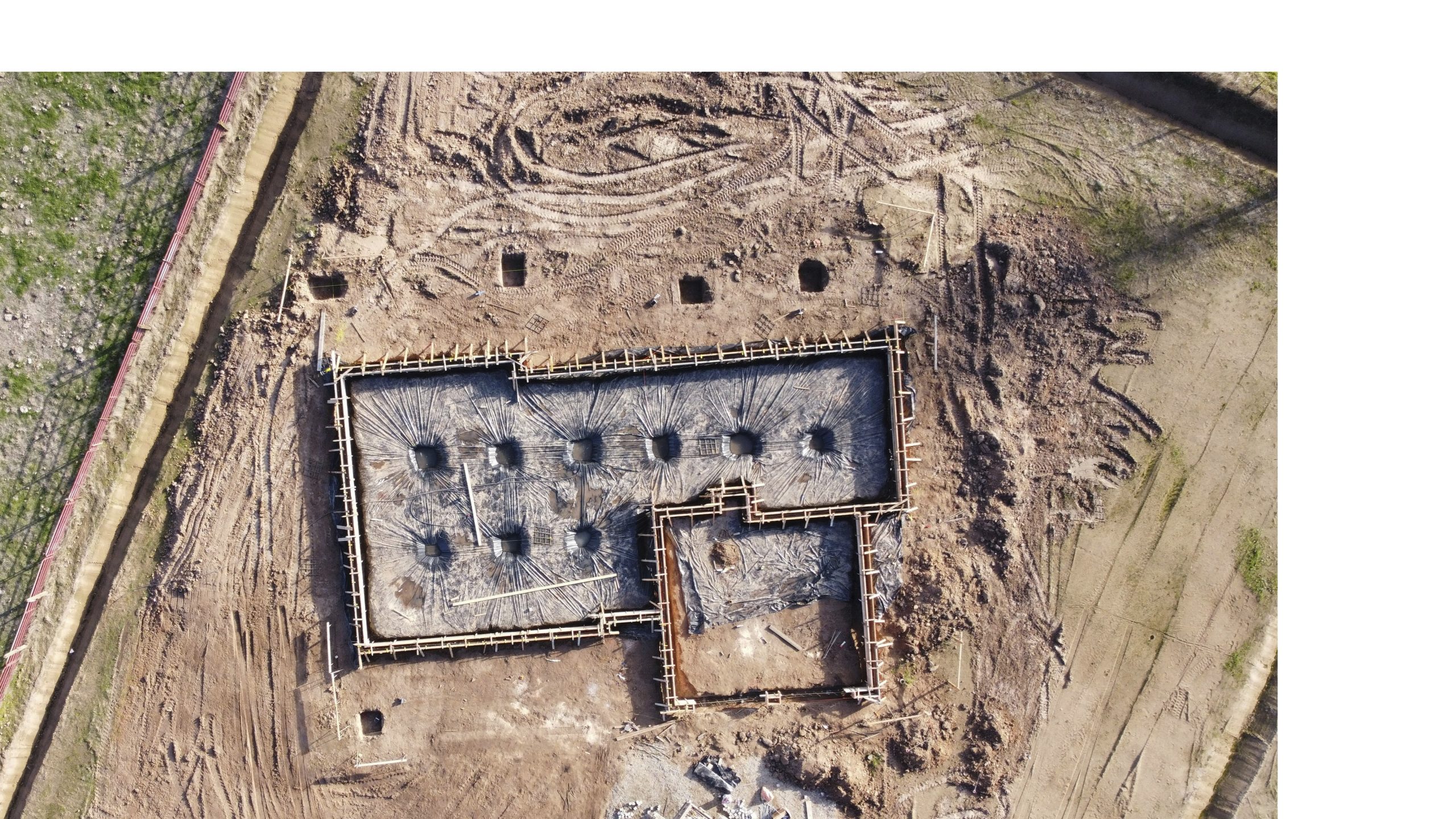
Imagine buying a plot of land, pouring a beautiful concrete slab, and then living on it for thirty years. No walls. No roof. Just a really solid floor. You would be proud of that slab for about a week. After that, it starts raining.
That is what a lot of us do with our lives, our habits, and our walk with God. We master the basics, and then we camp there.
Time to move into growth mode.
Basics Are Not the Enemy
First, let’s be fair. The basics matter, and the Bible never mocks them.
Paul told the Corinthians he fed them milk and not solid food because they were not ready for it (1 Corinthians 3:2). Milk is not an insult. Every baby need’s milk. Praying, reading Scripture, gathering with believers, forgiving people, showing up: these are non-negotiable foundations.
The problem is not drinking milk. The problem is still being on milk when you are supposed to be hosting the barbecue.
The writer of Hebrews says it bluntly: by now you should be teachers, yet you need someone to re-explain the ABCs of God’s word to you (Hebrews 5:12). Then comes the invitation: let us move beyond the elementary teachings and go on to maturity (Hebrews 6:1).
Notice the wording. Not “abandon the basics.” Go on. Build on them.
The Cautionary Tale of the Safe Servant
Enter the parable of the talents (Matthew 25:14-30), possibly the most uncomfortable story about playing it safe ever told.
A master leaves three servants with money: five talents, two talents, and one talent. The first two put it to work and double it. The third, scared of failing, digs a hole and buries his.
When the master returns, the third servant proudly hands it back: “Here you go. Exactly what you gave me. Perfectly preserved.”
He expected applause. He got a rebuke.
He was not condemned for losing anything. He lost nothing. He was condemned for doing nothing. Basic mode, fully maintained, zero growth.
Sometimes we call this “being content.” Sometimes we call it “being humble.” Sometimes it is just fear in a nice outfit.
Growth mode asks a different question. Not “Did I keep what I was given?” but “What did I do with it?”
Even Jesus Was in Growth Mode
If you ever feel that growth is optional, look at Luke 2:52: Jesus grew in wisdom and stature, and in favor with God and man.
Growth in every dimension. Mind, body, spirit, relationships. If the Son of God is described as growing, none of us gets to opt out on the grounds that we have arrived.
Peter ends his second letter with what reads like a life motto: grow in the grace and knowledge of our Lord and Savior Jesus Christ (2 Peter 3:18). It is the last piece of advice he leaves us. When someone’s final words are “keep growing,” I would take notes.
What Growth Mode Actually Looks Like
Growth mode is not about being busier, louder, or more “spiritual-looking.” It is not collecting Bible verses like trading cards. It is a deliberate shift from maintaining to multiplying.
Here is how it plays out in real life.
- From Reading to Applying
Basic mode reads the verse. Growth mode lets the verse read you.
James puts it with zero diplomacy: don’t just listen to the word, or you deceive yourselves. Do what it says (James 1:22). Knowing you should forgive someone is basic. Actually, calling them is growth.
- From Receiving to Giving
Basic mode asks, “What can I get from church, from my small group, from this season?” Growth mode asks, “Who can I serve, and who can I carry?”
Paul tells us to use our gifts to serve others (1 Peter 4:10). Gifts are like Wi-Fi passwords: they are far more useful when shared.
- From Comfort to Stretch
Paul had every reason to relax. Résumé stacked, miracles recorded, churches planted. Yet he writes that he has not arrived, and is forgetting what is behind and straining toward what is ahead (Philippians 3:12-14).
If Paul was still pressing on, there is no “finished” button for the rest of us.
- From Surviving to Bearing Fruit
Jesus says that anyone who stays connected to him will bear much fruit (John 15:5). Notice that fruit is a byproduct of connection, not hustle. A branch does not strain to produce grapes. It stays attached, and the growing happens.
Growth mode is not frantic self-improvement. It is staying close to the Vine and letting life flow through.
The Tree Test
Psalm 1 paints a gorgeous picture of a person who delights in God’s word: like a tree planted by streams of water, yielding fruit in season, with leaves that do not wither.
A tree is the perfect picture of growth mode, because trees:
- Grow slowly. Nobody has ever watched an oak grow, yet oaks happen.
- Grow downward first. Deep roots come before tall branches.
- Grow in seasons. Some seasons are visible fruit, others are quiet root work. Both count.
So if your growth feels slow right now, do not despair. You might be in a root season. God is not impressed by speed; he is interested in depth.
A Quick Self-Check
Ask yourself honestly:
- When did I last do something spiritually uncomfortable on purpose?
- Is my faith the same as it was three years ago?
- Am I using what God has given me, or keeping it safely buried?
- Who is a little further down the road than me, and am I learning from them?
- Who is a little behind me on the road, and am I helping them?
If your answers sting a little, good. That is not condemnation; that is invitation.
Your Next Step
You do not need to overhaul your life by Friday. Growth mode starts small:
- Pick one area (prayer, generosity, character, serving, learning).
- Take one stretch step this week that makes you slightly nervous.
- Find a person who can encourage you and ask the hard questions.
- Stay rooted. Keep the basics going, because growth without roots just topples over in the first storm.
Paul’s advice to the Colossians ties it all together: just as you received Christ Jesus as Lord, continue to live your lives in him, rooted and built up in him, strengthened in the faith (Colossians 2:6-7). Rooted and built up. Basics and growth. Foundation and house.
The Bottom Line
Basics are good. They are the floor you stand on, the milk that keeps you alive, the roots that hold you steady.
But God did not save you to keep you on a slab. He is building something, and he is inviting you to grow into it.
So praise God for the basics. Thank him for the foundation. And then step off the concrete, pick up your shovel (or your Bible, or your calling), and get to work on the house.
Basics got you started. Growth mode will take you somewhere.
What is one area where you are ready to move from basic to growth? Drop it in the comments. Let’s grow together.